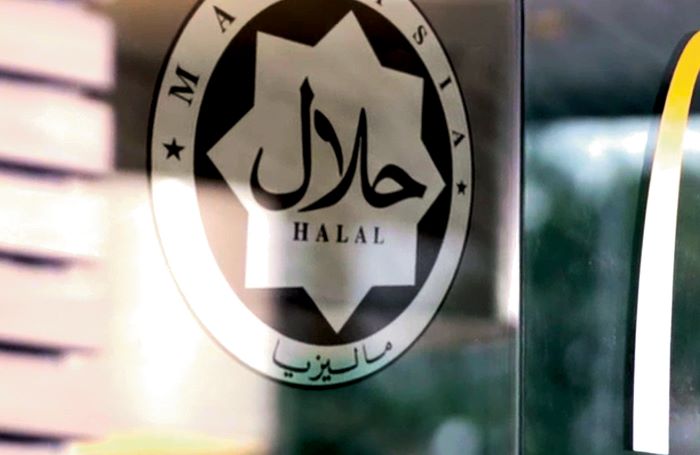
When most people hear the word "Halal," they immediately think of food—specifically, how an animal is slaughtered. But reducing Halal marketing to just food certification is like saying marketing is just about making a logo.
Halal marketing is much bigger than that.
At its core, Halal marketing is the practice of creating, promoting, and delivering products and services that are permissible (Halal) and good (Tayyib) for Muslim consumers. But here is the secret most brands miss: it is a trust-based, values-driven lifestyle approach.
Beyond the Plate
While Halal meat is the most visible category, modern Halal marketing covers:
Modest Fashion: Clothing that covers the aurah (e.g., hijabs, abayas, swimwear).
Islamic Finance: Banking that avoids interest (Riba) and unethical investments.
Travel & Hospitality: Hotels with prayer mats, Qibla directions, and halal food.
Beauty & Cosmetics: Products free from alcohol and animal-derived ingredients not slaughtered Islamically.
Why Does It Matter?
The global Halal economy is worth over $2 trillion and is growing rapidly. But Muslim consumers aren't looking for a "green-washed" sticker. They are looking for authenticity.
Halal marketing succeeds when a brand proves it respects Islamic values without being stereotypical. It’s the difference between slapping a crescent moon on a package and actually ensuring the supply chain is ethical, clean, and transparent.
The Golden Rule
The best Halal marketing isn't loud or exotic. It is honest.
If you claim to be Halal, you must be Halal from farm to shelf. If you claim to respect modesty, your ad creative shouldn't feature objectifying imagery. In this space, integrity is the only marketing strategy that works.